
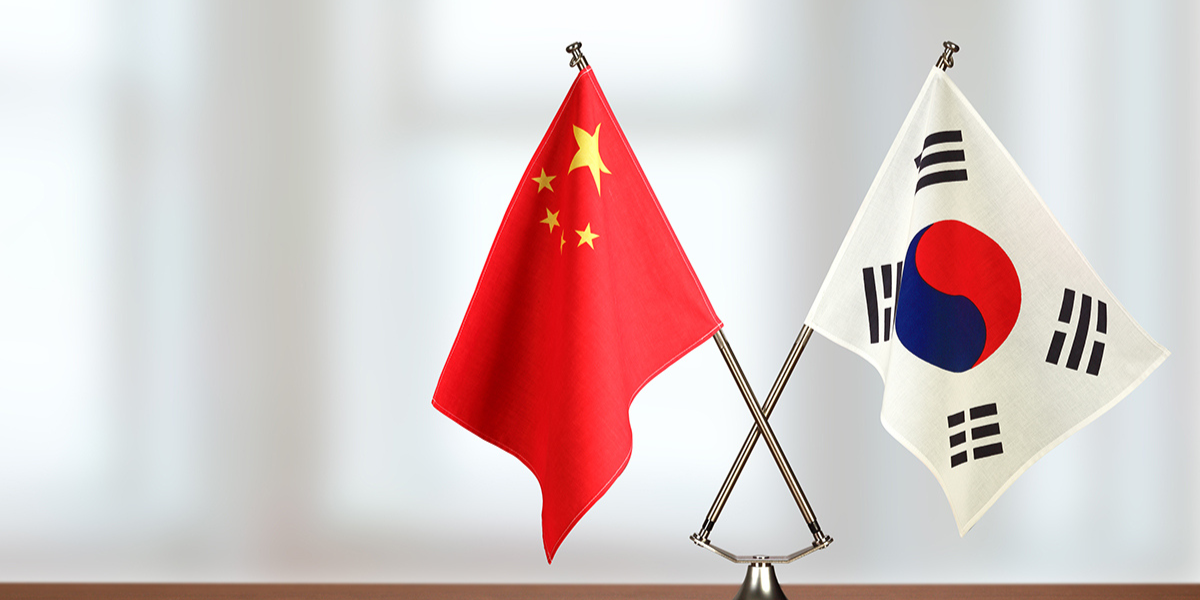
Recent reports suggest that the South Korean government is pushing to hold a large-scale K-pop concert in China. Although officials have stressed that nothing has been finalized, it is likely connected to the long-standing restrictions on Korean culture in China.
On December 15, the Office of the Spokesperson for the Presidential Office addressed the reports directly. The office stated that regarding claims about a K-pop concert in China in early January, there is no confirmed information and urged the public to be cautious.
This response came after Segye Ilbo reported that the government was working to organize a K-pop concert in China in January next year, possibly featuring many Korean artists.
Following that report, positive speculation spread quickly. Many believe that if such a concert takes place, it could signal the lifting of China’s long-standing unofficial “Hallyu ban.”
It is reported that the Presidential Office recently contacted the four major Korean entertainment companies—HYBE, SM Entertainment, JYP Entertainment, and YG Entertainment—to ask for cooperation related to a possible concert in China.
The entertainment companies have responded carefully. A representative from JYP Entertainment told Xports News that there were no confirmed inquiries about holding an event. The company said it only received a simple request to check schedules for January.
This reflects how early and uncertain the discussions still are. The Presidential Office has also repeated that no decisions have been made and has advised against reading too much into the reports.
For years, large-scale K-pop performances in China have been nearly impossible due to restrictions on Korean culture. While China never officially announced such a policy, limits on Korean entertainment activities began around 2016.
The restrictions were widely understood as a response to South Korea’s deployment of the U.S.-led THAAD missile defense system. The impact was immediate and severe. Korean dramas and variety shows were removed from Chinese streaming platforms.
Approved K-pop concerts and fan meetings were canceled. Korean actors and idols were edited out of television programs, and Korean products faced strong consumer boycotts.
For nearly a decade, these measures have blocked direct interaction between K-pop artists and one of their largest overseas fanbases. They also forced the K-pop industry to change its global promotion strategies and focus on other regions instead of China.
The current situation carries extra weight because of ongoing cultural tensions in the region. The recent so-called “Korea-Japan ban,” which refers to restrictions on Japanese pop culture content, has caused disruptions to fan meetings and signing events. Groups with Japanese members have been especially affected.
If a government-backed K-pop concert in China were to move forward, it would likely be seen as a strong signal of improving cultural relations. Many believe it could serve as a first step toward easing restrictions and reopening the Chinese market to Korean artists. For entertainment companies, it would offer a rare chance to reconnect with Chinese fans on a large scale.
For now, the concert remains unconfirmed. No official dates, venues, or artist lineups have been announced. Still, the fact that such discussions are happening has fans optimistic about the future.

