
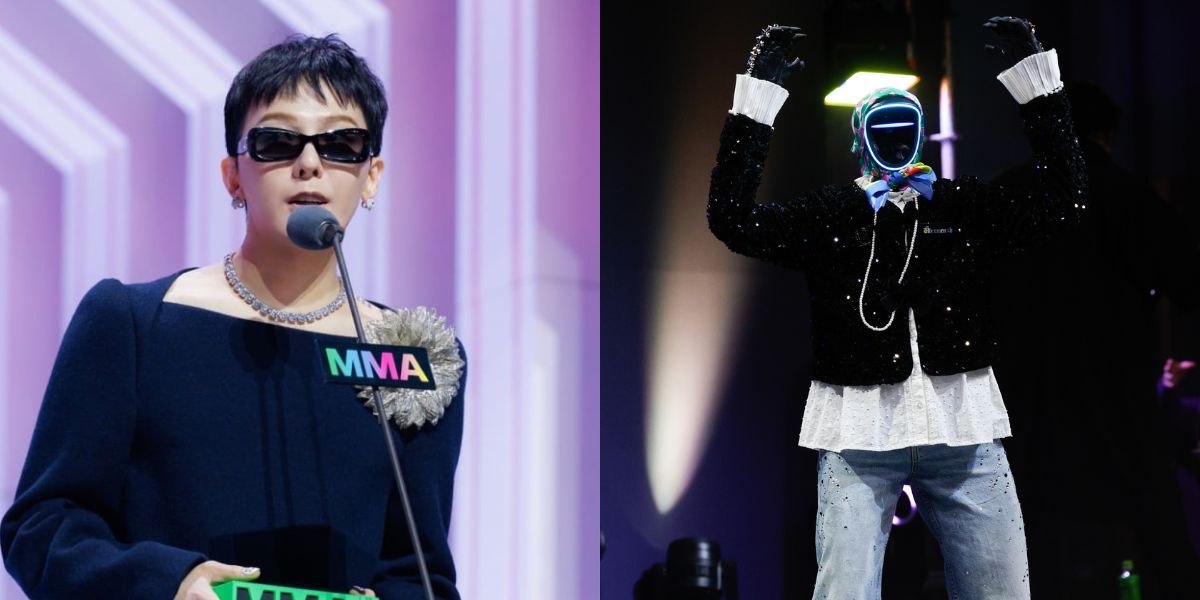
K-pop is entering a new phase as Galaxy Corporation, the agency representing G-Dragon, moves forward with plans to launch AI-based and robot idols. The idea is no longer science fiction. It is already taking shape on real stages and in real projects.
Galaxy Corporation’s CEO, Choi Yong Ho, believes that the mix of artificial intelligence and virtual reality will change how music is created and shared. He says this technology will allow artists to communicate in any language and create music at the same time.
G-Dragon’s Agency to Launch First Robot Idol
Choi Yong Ho shared this vision during his keynote speech at the “COMEUP 2025” event. He described a future where human idols, virtual idols, and robot idols exist together. To show that this future is already starting, a humanoid robot appeared on stage and performed choreography to G-Dragon’s song “POWER.”
Galaxy Corporation also announced plans to debut the world’s first robot idol in partnership with KAIST.
On December 17, Galaxy Corporation started full debut preparations by holding an online idol audition using their own AI technology.
Why AI Idols Are Emerging Now
Korea has experimented with virtual idols before. In 1998, “Cyber Singer Adam” debuted as the country’s first virtual singer. While popular at first, the project did not last because the technology could not support long-term activities or strong fan connections.
Today, the situation is very different. Technology has advanced, and audiences have changed. Virtual groups like PLAVE have proven that non-human idols can succeed at the highest level. PLAVE sold over one million copies of an album and held large-scale concerts at major domes in Seoul.
The Real Reason Virtual Idols Succeed
Experts say the success of virtual idols is not mainly about technology. Kim Bo Reum, a professor at Hansung University, explains that groups like PLAVE succeeded because they followed the same “idol rules” as traditional K-pop groups.
He explained, “PLAVE does not remain at the level of character settings; instead, it has built its music, teamwork, relationships, and growth narrative with the same level of depth as existing K-pop idols.”
For younger fans, digital interaction does not feel fake; instead, it feels real. Live chats, instant reactions, and shared moments help create the feeling of being together, even without physical bodies. The technology stays in the background, while music and emotional connection come first.
Can This Work for AI and Robot Idols?
There is still caution around fully AI-driven idols. Professor Kim notes that trust and responsibility are key. Fans need to know who is making decisions and who is accountable. AI idols also need flaws and room to grow. Without these human-like qualities, they risk being seen as machines rather than artists.
Still, most experts agree that AI idols will not replace human idols. Instead, they will expand the idol experience. AI idols can offer constant communication, personalized stories, and global access. Human idols, on the other hand, will continue to offer physical presence, imperfection, and live energy.
Galaxy Corporation’s plans reflect a larger shift in the industry. K-pop is moving toward a structure where human idols, virtual idols, and AI or robot idols all exist side by side. Each will offer something different and give fans more choice and deeper ways to connect.

